
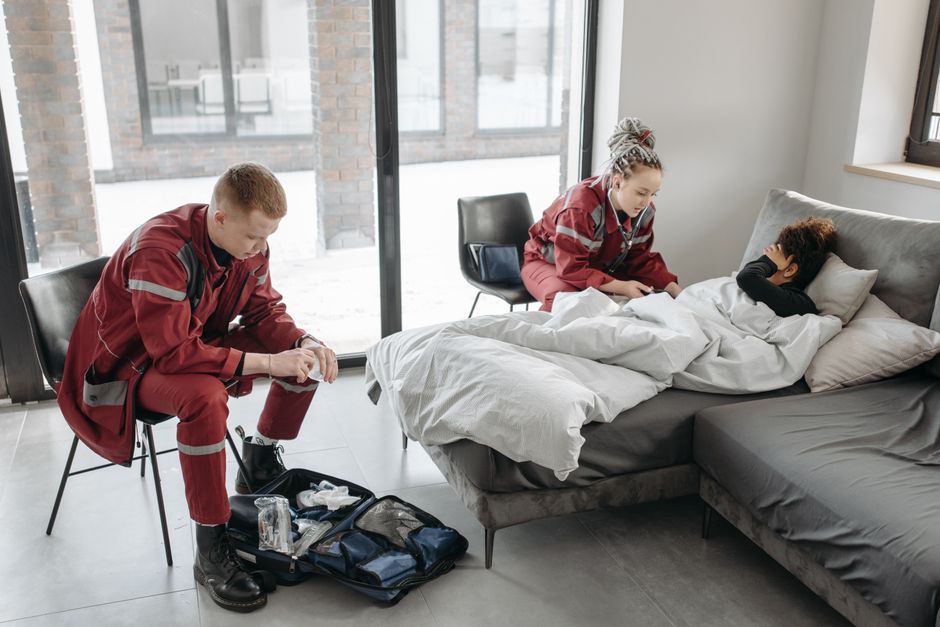
Assisted living communities use planned procedures, trained staff, emergency supplies, and communication systems to respond to medical events, fires, severe weather, power failures, and other urgent situations. The goal is to protect residents quickly while providing the right level of help until the emergency is resolved or outside medical care is available.
For residents and families in Haverford, understanding these procedures can make an unexpected event feel less confusing. Emergency planning is not limited to dramatic situations. It also includes falls, medication concerns, missing-person risks, extreme temperatures, and disruptions that may affect daily routines.
What happens during a medical emergency?
A medical emergency usually begins with a rapid assessment by staff. Personnel may check whether the resident is conscious, breathing normally, injured, experiencing severe pain, or showing signs of a stroke, heart problem, serious infection, or other urgent condition.
Depending on the situation, staff may:
- Provide basic first aid or cardiopulmonary resuscitation when trained and authorized to do so
- Use an automated external defibrillator if needed and available
- Call emergency medical services
- Notify the resident’s designated contact
- Bring relevant medication, health, and identification information for emergency responders
- Document what happened and what care was provided
Staff do not diagnose every condition or replace hospital-based care. If a resident’s symptoms may be life-threatening, emergency responders are generally contacted rather than waiting to see whether the problem improves.
Common warning signs that require immediate attention include sudden weakness on one side of the body, difficulty speaking, chest pressure, severe breathing trouble, uncontrolled bleeding, loss of consciousness, a serious fall, or a sudden change in mental status.
How are falls handled?
Falls are among the most common emergencies in assisted living. Staff should avoid moving a resident immediately unless there is an immediate danger, such as fire or a structural hazard. Moving someone with a possible head, neck, or spinal injury can worsen the condition.
A typical response includes checking for pain, bleeding, confusion, loss of consciousness, and the ability to move safely. Staff may contact emergency responders when the injury appears serious or when the resident has concerning symptoms. Even when no obvious injury is visible, a fall may require observation and communication with family or medical personnel.
A resident who takes blood-thinning medication may need especially careful evaluation after a fall because internal bleeding can occur without immediate visible signs. Families should make sure the community has an up-to-date medication list and knows about previous falls, balance problems, or mobility restrictions.
What happens during a fire or smoke emergency?
Fire procedures are designed to move residents away from immediate danger while accounting for differences in mobility, hearing, vision, and cognition. Staff may use a staged evacuation, moving residents first from the affected area to a safer section of the building and then outside if necessary.
Residents may not always leave through the main entrance. Emergency plans often identify alternate exits, protected areas, elevators that should not be used during a fire, and procedures for residents who need wheelchairs, walkers, or direct assistance.
Fire drills may feel disruptive, but they help staff identify practical problems, such as doors that are difficult to open, alarms that are not heard in certain rooms, or residents who need additional assistance. Families can help by asking whether the resident’s mobility needs and emergency contacts are accurately recorded.
How are severe weather and power outages managed?
Severe thunderstorms, heavy rain, winter conditions, extreme heat, and power outages can affect daily operations. Assisted living communities typically maintain emergency supplies, backup communication methods, flashlights, batteries, water, food, and procedures for maintaining essential medications and equipment.
During a storm, residents may be moved away from windows or into designated interior areas. In a power outage, backup systems may support essential lighting, alarms, security features, heating, cooling, or medical equipment, although the exact capabilities vary by building.
Haverford experiences seasonal conditions that can create different risks throughout the year. Winter weather may affect transportation, heating, and outdoor walking surfaces, while summer heat can increase the risk of dehydration and heat-related illness. Residents who depend on powered oxygen equipment, refrigerated medication, mobility devices, or electronic monitoring should have their needs clearly documented in the emergency plan.
How are missing residents or unsafe wandering concerns addressed?
A resident who cannot be located may be treated as an urgent safety concern, particularly if the person has memory loss, impaired judgment, or a known tendency to wander. Staff may immediately search common areas, secured areas, outdoor spaces, and nearby access points while reviewing entry and exit information.
The response may include notifying leadership, contacting emergency responders, and informing the designated family contact. Information such as a recent photograph, usual clothing, walking habits, preferred places, and medical concerns can help responders search more effectively.
Families should report changes in memory, judgment, mood, or nighttime behavior. A person who previously stayed inside may begin leaving unexpectedly, especially after a change in health or medication.
How are medications handled during an emergency?
Medication procedures depend on the type of emergency and the resident’s care plan. Staff may secure medication records, bring essential medications during an evacuation, or coordinate with emergency responders and medical personnel.
Residents and families should not assume that every medication can be replaced immediately. Accurate information about prescriptions, allergies, medical conditions, dosage schedules, and pharmacy instructions is essential. The community should also know which medications are especially time-sensitive.
Families can support preparedness by reporting medication changes promptly and avoiding informal changes to a resident’s medication routine without notifying the appropriate care staff.
How are families notified?
Communication procedures vary, but emergency plans generally identify who should be contacted, in what order, and by which method. A community may use telephone calls, text messages, email, an emergency notification system, or a combination of methods.
Families may not receive an immediate call for every minor incident. A routine fall with no apparent injury, for example, may be documented and reported according to the resident’s care plan rather than treated like a hospital-level emergency. A serious injury, evacuation, hospitalization, or major disruption generally requires more urgent notification.
Residents and families should keep contact information current, including alternate contacts and any restrictions on who may receive medical information.
What should families ask before an emergency occurs?
Emergency planning is easier to understand before a crisis. Useful questions include:
- How are medical emergencies assessed and documented?
- What circumstances lead to a hospital transfer?
- How are residents with limited mobility evacuated?
- Where are residents taken during a fire or severe weather event?
- How does the community handle power outages?
- How are families notified during an evacuation or hospitalization?
- How are essential medications, oxygen, and other medical equipment managed?
- What information should be kept in the resident’s emergency record?
Residents should also know how to use the call system, identify staff members, and report hazards such as wet floors, blocked exits, poor lighting, or damaged handrails. Emergency preparedness is not only a written policy; it is the combination of planning, communication, building safety, and staff response practiced before an urgent event occurs.
