
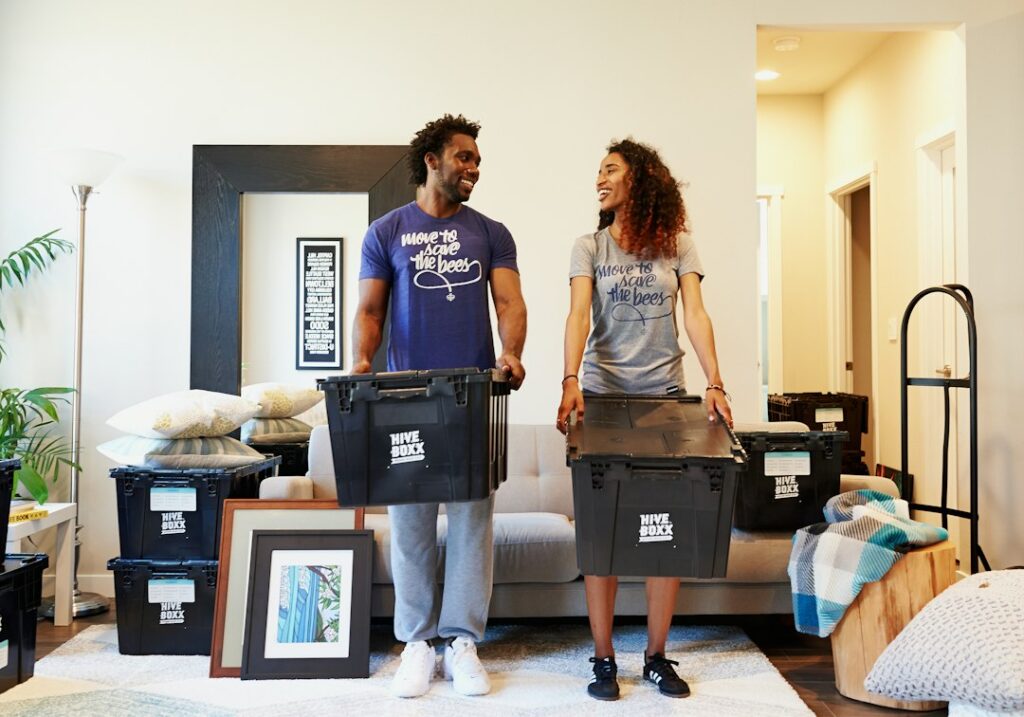
Moving into assisted living is easier when belongings are chosen for daily comfort, safety, and familiarity rather than packed as if preparing for a long vacation. The most useful items are usually practical clothing, clearly labeled personal necessities, a few meaningful possessions, and anything that helps a resident follow familiar routines.
For residents and families in Haverford, PA, planning should also account for changing seasons, indoor temperature differences, and the possibility of wet or snowy weather. A thoughtful packing plan can reduce clutter while making the new living space feel more recognizable.
What should be packed first?
Start with the items a resident will need during the first several days, not the belongings that can wait in storage. Pack an easily accessible overnight bag or first-week container with:
- Several comfortable outfits
- Pajamas and undergarments
- Toiletries
- Prescription and nonprescription medications, handled according to the residence’s rules
- Glasses, hearing devices, and mobility aids
- Important paperwork
- Phone, charger, and contact information
- A familiar blanket, pillow, or small personal item
Keeping these essentials separate prevents family members from searching through multiple boxes after move-in. It also helps if the room is not fully arranged on the first day.
How much clothing is enough?
A practical starting point is about seven to ten days of clothing, adjusted for laundry arrangements and the resident’s habits. Too little clothing can create unnecessary stress, while too much may overfill drawers and closets.
Choose clothing that is easy to put on, comfortable for sitting and walking, and appropriate for indoor activities. Useful choices include:
- Elastic-waist pants or pull-on trousers
- Soft shirts, cardigans, and lightweight sweaters
- Comfortable socks with secure fit
- Non-slip shoes that are easy to fasten
- A robe or warm layer for cooler rooms
- Sleepwear that is comfortable and easy to manage
- A modest number of dressier outfits for gatherings or appointments
Label clothing with the resident’s name, especially if laundry is handled by staff. Sew-in or permanent labels are generally more reliable than removable stickers. Mark jackets, sweaters, shoes, hats, and other items that may be left in shared areas.
Seasonal clothing should be rotated rather than stored entirely in the room. In the Haverford area, residents may need lighter layers for warm, humid periods as well as coats, gloves, hats, and waterproof footwear for colder weather. Ask how much closet or storage space is available before bringing all seasonal items at once.
What shoes are safest?
Shoes should fit securely and provide good traction without being difficult to put on. A resident may need more than one pair, but a large collection is rarely necessary.
Consider packing:
- One pair of supportive everyday shoes
- One pair of indoor shoes or slippers with a firm, non-slip sole
- Weather-appropriate outdoor footwear
- A comfortable pair for appointments or special events
Avoid loose backless slippers, worn soles, high heels, and shoes that require complicated tying if those features create a fall risk. Footwear should be checked periodically because fit, comfort, and walking ability can change.
Which bathroom and personal-care items are useful?
Many residences provide basic toiletries, but residents often prefer familiar products. Pack modest quantities first and replenish them as needed.
Helpful items may include:
- Toothbrush, toothpaste, and denture supplies
- Comb, brush, and hair-care products
- Deodorant and moisturizer
- Shaving supplies
- Incontinence products, if used
- Hand lotion and lip balm
- Nail-care items, stored safely
- Shower shoes, if appropriate
- A lightweight toiletry container or caddy
Ask about bathroom storage before packing large bottles. Pump containers may be easier to handle than flip-top containers for residents with limited hand strength. Any item that could be confused with medication should be stored according to residence policy.
What medications and health items should come?
Medication procedures differ by assisted living residence. Do not assume a resident can keep prescription bottles in a bedside drawer or self-manage medications without prior approval.
Before move-in, organize:
- A current medication list
- Dosage instructions
- Allergy information
- Physician and emergency contact details
- Insurance and identification information
- Copies of relevant health documents
- Inhalers, glucose-monitoring supplies, hearing devices, or other prescribed equipment
Bring medications in their original labeled containers unless the residence gives different written instructions. Include a list of over-the-counter products, vitamins, supplements, and occasional medications. A product that seems harmless may interact with prescriptions or require staff oversight.
Mobility equipment should be labeled as well. Canes, walkers, wheelchairs, and transfer aids can look similar when several residents use the same type.
How can personal belongings make the room feel familiar?
A few familiar objects often provide more comfort than a room packed with decorations. Choose items connected to daily routines, family, hobbies, or personal identity.
Good choices may include:
- A small number of framed photographs
- A familiar chair, if the room can safely accommodate it
- A favorite quilt or throw
- A small clock with clear numbers
- Books or magazines
- A radio or other simple entertainment device
- Artwork that is easy to hang securely
- A small calendar or memory board
- Familiar religious or cultural items
- Lightweight hobby materials

Avoid blocking walkways, covering emergency equipment, or placing loose rugs near the bed or bathroom. Heavy furniture, candles, heating devices, and complicated electrical equipment may not be permitted. Check room guidelines before moving anything large.
What should not be packed?
Some belongings create more risk or inconvenience than value. Items that commonly need to be left at home include:
- Large quantities of food that can spoil or attract pests
- Expensive jewelry or irreplaceable valuables
- Space heaters, heating pads, or open-flame items
- Extension cords and overloaded power strips
- Clutter that narrows walking paths
- Furniture that blocks windows, doors, or assistive devices
- Strongly scented products that may bother other residents
- Weapons or prohibited objects
- Appliances not approved by the residence
- Duplicate supplies that exceed available storage
A resident may want to bring everything at once, particularly after living in the same home for many years. Packing a smaller group of belongings first makes it easier to see what is actually useful in the new space.
How should belongings be organized before move-in?
Use clear categories instead of packing random household boxes. For example, prepare separate containers for clothing, bathroom items, documents, medications, personal mementos, and items needed immediately.
A written inventory can help family members identify what was brought and where it belongs. Photographing valuable or distinctive items may also make it easier to recognize them later. Keep a copy of the inventory with important paperwork.
Measure the room, doorway, and available storage before bringing furniture. Even a small difference in room layout can affect whether a recliner, table, or dresser leaves enough clearance for safe movement.
What questions should families ask before packing?
Packing is more accurate when based on the residence’s specific policies. Ask:
- Is laundry provided, and how should clothing be labeled?
- Which toiletries and linens are supplied?
- Can residents keep snacks or small refrigerators in their rooms?
- What appliances, furniture, and electronics are allowed?
- How are medications stored and administered?
- Is there seasonal storage?
- Are personal decorations allowed on walls?
- What items are available for mobility and bathing?
- How are lost or misplaced belongings handled?
- Can family members take home items that are no longer needed?
The answers can prevent unnecessary purchases and reduce the amount of unpacking required. The goal is a room that supports independence, comfort, and safe movement—not a complete replacement for the resident’s former home.
